Thoughts on Disaster Preparedness, Food Pantries and Good Intentions
In honor of May being Celiac Disease Awareness Month, I’m sharing a few posts on topics that could use a bit more attention, a little boost in understanding. Today I’m writing about disaster preparedness specific to tornadoes, food pantries and good intentions with a look back at the Joplin Tornado.
Fifteen years ago today, an EF5 tornado struck Joplin, Missouri destroying over 4,000 homes and damaging 8,000 buildings. 163 people sadly lost their lives with an additional 1,150 injured. It was the most deadly tornado to hit the U.S. since 1950.
I live about three hours from Joplin. Having survived a tornado striking my own home, my thoughts turned to what would people who have to eat a gluten-free diet do to get by with no way to cook or keep food refrigerated? I relied on the kindness of others for a few days after the tornado struck my home, but my entire community was not decimated and I was soon safely sheltered and able to prepare food for myself. This was not the case in Joplin where the tornado was a mile wide and traveled over 22 miles. Many people were living in community shelters set up in school gymansiums, churches, anywhere they could.
Fifteen years ago Celiac support groups were more prevalent than today and I reached out to a woman in the closest city I could find to Joplin with a support group mentioned online. I connected with Barbara who happened to know Rita in Joplin. That’s how the gluten-free community used to be. Once in touch with Rita, I found out there was definitely a need for gluten-free food, that those living in shelters were barely getting by with little to no options. One woman had commented that she had been getting by on fruit snacks.
With the best of intentions, I set off collecting gluten-free non-perishable pantry staples. My friends filled my van. A friend I hadn’t seen in over 20 years showed up with GoPicnic boxes, a shelf-stable sort of like a Lunchable that is gluten-free, a smart option in times of disasters.
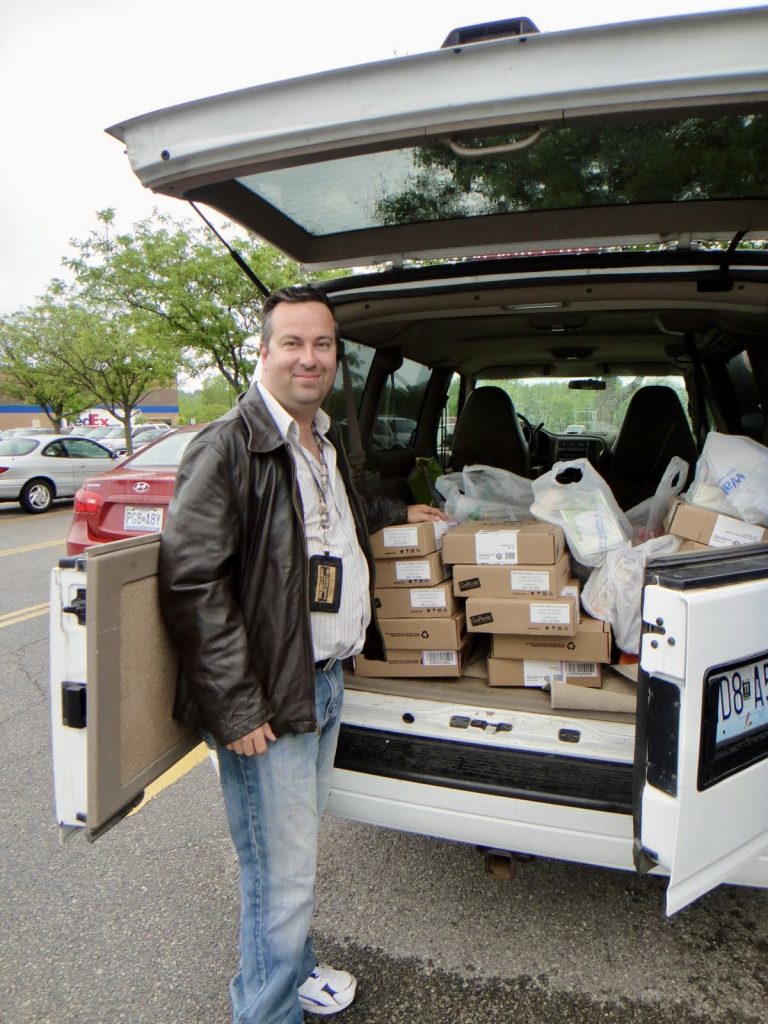
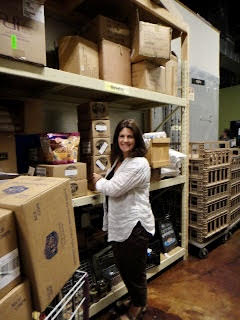
I had been teaching gluten-free classes for Whole Foods and they showed up in a big way, with case after case of items…
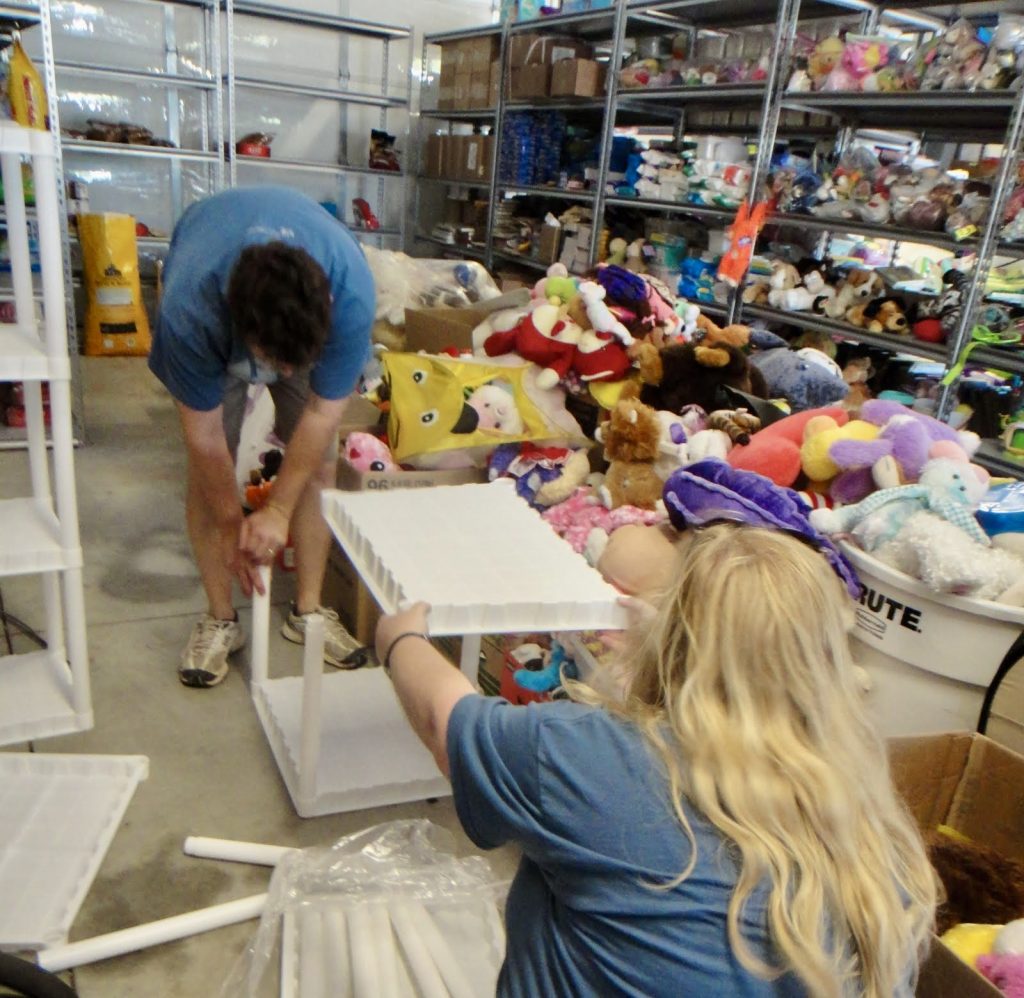
Brands I had been working with on my blog and in gluten-free classes sent products to me and also directly to Rita in Joplin. I realized I was going to need to buy shelving, this was turning into a full pantry situation. My friends who live in Springfield, Missouri came along to help assemble shelving and build a pantry.
These donations, this gluten-free pantry, was helpful in the beginning, days and a few weeks after the tornado. It was not helpful in the months that followed.
Brands continued sending product, meaning well. A freezer became necessary to store items with a short shelf life. A local emergency pantry housed the gluten-free items until the time came that their services weren’t needed and then it was moved to Rita’s home. Requests to please stop sending products were missed or overlooked and donations continued for quite some time. Donations were more plentiful than those who needed them.
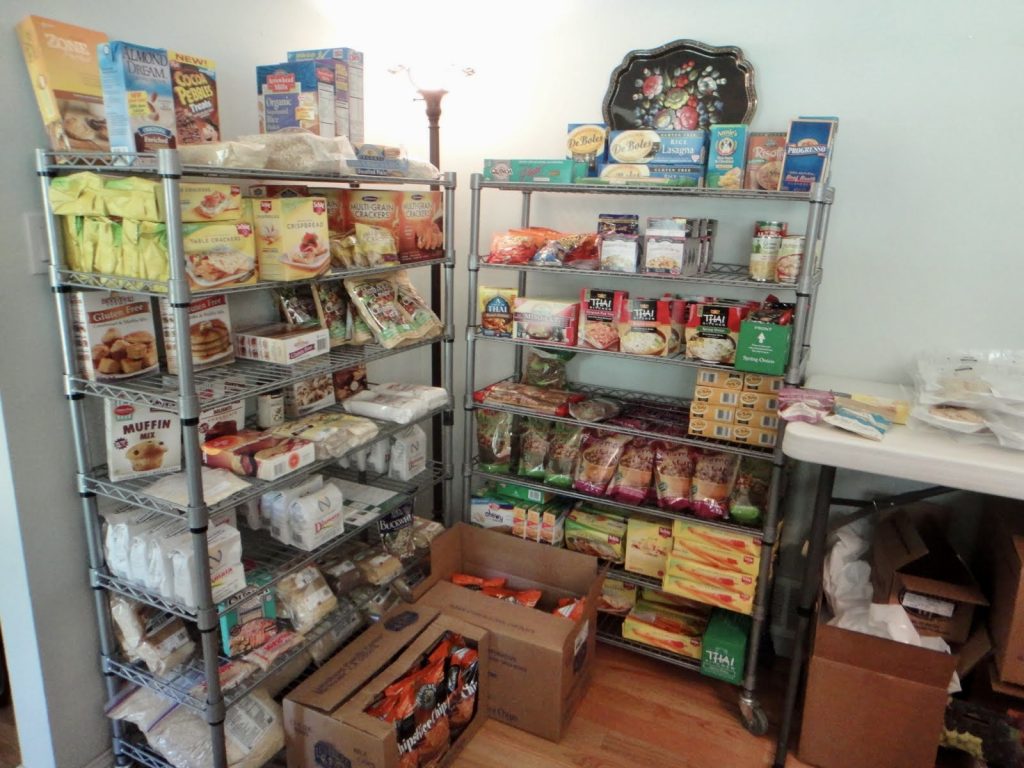
A gluten-free pantry was no longer needed. People who had no home left in Joplin didn’t stay in emergency shelters long term. They moved on or found housing where they could feed themselves. The local markets offering gluten-free options re-opened and needed the business of their customers who still lived there and had money to shop. The need had mostly been immediate and urgent. The days I spent collecting donations and getting myself to Joplin were perhaps the most important days, people who have to eat gluten-free needed a warm meal that night, breakfast the next morning, a reliable source of full nutritious meals while sorting out the very critical parts of getting through this.
Much of what I learned from this gluten-free pantry project I’ve used to guide how I donate and volunteer at my local food pantry and also how I prepare myself for disasters living in a tornado-prone area. I’m sharing a list below of key take-aways both as a food pantry creator and also a person who has lived through a natural disaster:
For those making a disaster preparedness plan:
- Have a Plan. Tuck a few days of shelf-stable food and water you can eat in your storm shelter area. Protein bars are a good start, non-refrigerated protein drinks. Not ideal, but better than fruit snacks only for days on end. At your next doctor’s appointment, ask your doctor to write a note that states you have celiac disease and require gluten-free food. Put copies of this in your purse, your lockbox, take a picture of it and keep it on your phone, send it to yourself in an email so you can access it anywhere with an internet connection.
- Be prepared to advocate firmly for yourself if you end up in a shelter. I spent a day in a shelter in Joplin, one funded by a national program. I was told they were unable to do anything to accommodate celiac disease or food allergies. What they had done was have medications flown in overnight though. For people with celiac disease, food IS medication. (See above re. note from your doctor, use it here.) Most of us are so accustomed to just going without, but in this case I can tell you from my own experience after a tornado, you need to be fed. Hard decisions have to be made fast, your health has to be well taken care of. Do not be afraid to advocate for safe food for yourself and be prepared to assist in the kitchen with what that looks like and how cross-contact can be avoided.
- Start learning right now how you could eat without gluten-free specialty products. I volunteer at a food pantry where staple boxes are given out to each client. Over 80% of what is in the boxes is naturally gluten free. If you are going to have to rely on a pantry or shelter for meals, know what you can eat that isn’t made by a gluten-free specialty brand. It may not be exactly what you eat on your best days, but it will be nutritious sustenance that is safe. Most pantries have many gluten-free options always, they just aren’t specialty brands of bread, pasta, cereal options.
For those wanting to help after a disaster:
- Today there are organizations helping to get food to disaster-impacted areas. As I watch them work, I still think the food arrives too late and the highest need has passed with many people moving out of the area soon after. It doesn’t mean you can’t help by donating money to programs that help though as they can often buy in bulk and have connections with gluten-free brands. If you have been in an area where a natural disaster has struck, you’ve likely seen the mountains of items that didn’t end up needed and create another issue in addition to the disaster. I don’t want to discourage you from help but that brings me to my next point…
- Assess the need. That’s a big task, right? In the case of my gluten-free pantry project in Joplin, considering the entire widespread area the tornado struck, less than 500 people statistically would have needed gluten-free food, closer to 150 if diagnosis rates are average in the area, but far fewer ever took donated gluten-free food. Someone local that knows the need and is connected in the community is a good place to start.
- Use your social media voice to let people know you are available to help if you feel called like I was to help in Joplin. Is there a need? I was no one’s savior in Joplin and instead my good intentions and that of others created a month’s long backlog of food with nowhere to go, no one who needed it. Even without the plethora of celiac support groups these days, we can still use our community connections to help connect people who can help faster than we can. While doomscrolling, keep your eyes open for those in need and get to work making a connection for them. I’ve watched this happen over and over in the 15 years since the Joplin Tornado and stand in complete awe of the Celiac and Food Allergy communities.
I’d love to hear your thoughts on how you are prepared for a natural disaster and what you have done to help. Comment below, you never know who you’ll help!
Leave a Reply